
Pre-Winter Refrigeration Checklist: Get Your Coolroom Ready Before the Cold Sets In
Hayden Simpson • May 22, 2026
Winter is knocking on the door, and while you might be thinking about heaters and hot drinks, your commercial refrigeration equipment is quietly preparing for one of its most demanding periods. A few hours spent checking your coolroom now can save you days of lost stock, unexpected repair bills, and the headache of chasing down a technician in the middle of a cold snap. Here is what we recommend to our customers across Geelong and the surrounding region every year as the temperature drops.
Why Winter Is Actually Harder on Refrigeration Than You'd Think
Most people assume refrigeration runs easier in winter because the ambient temperature is lower. In some ways that is true, but it also creates a set of problems that catch a lot of operators off guard.
When the temperature outside drops, the pressure differential inside your refrigeration system changes. Refrigerant behaves differently in cold ambient conditions, and compressors can struggle to operate within their designed parameters if they were not set up with seasonal variation in mind. Condensate drainage can also freeze or slow significantly, leading to ice build-up inside the unit.
There is also the issue of fluctuating temperatures during transitional weather. Geelong winters are notoriously inconsistent, with warm afternoons followed by cold nights. Those swings put repeated stress on door seals, gaskets, and temperature controls. Equipment that was running fine through summer may start showing its weak points right about now.
Your Pre-Winter Coolroom Maintenance Checklist
Work through these checks before the end of May, and you will head into winter in solid shape.
1. Inspect door seals and gaskets
Close the door on a piece of paper and try to pull it out. If it slides free with little resistance, the seal is worn and needs replacing. Damaged seals are one of the most common causes of a coolroom working harder than it should, running up your energy bill and putting strain on the compressor.
2. Clean the condenser coils
Condenser coils draw heat away from the refrigeration system. When they are coated in dust and grease, they cannot do their job efficiently. Give them a thorough clean before winter, and schedule a proper service if they have not been professionally cleaned in the past six months.
3. Check temperature calibration
Use a calibrated thermometer to verify that your coolroom is actually holding the temperature shown on the display. Controllers can drift over time, and a unit reading 2°C but actually sitting at 5°C is a food safety risk you do not want heading into a busy winter trading period.
4. Inspect insulation panels
Look for any cracking, soft spots, or visible gaps in your coolroom panels. Insulation damage lets warm air in and cold air out, and it only gets worse over winter. Small repairs now are far cheaper than replacing a full panel later.
5. Clear and test drainage
Blocked drains lead to water pooling on the floor and ice build-up inside the unit. Pour a small amount of water into the drain channel and make sure it clears freely. If it is slow or blocked, clear it out or have it professionally inspected.
6. Check refrigerant levels
Low refrigerant is a sign of a leak somewhere in the system. Symptoms include the unit running constantly, ice forming where it should not, or temperatures that will not come down to setpoint. Refrigerant checks require a licensed technician, so this one is worth booking in as part of a service.
What You Can Check Yourself vs. When to Call a Technician
Several of the checks above are things any business owner or kitchen manager can do: testing door seals, visually inspecting panels, checking drainage, and comparing the displayed temperature against a separate thermometer. These are quick, require no tools, and take about 20 minutes.
Anything involving the refrigerant circuit, electrical components, condenser cleaning inside the unit, or controller calibration adjustments should be handled by a qualified refrigeration mechanic. Attempting these without the right tools and licenses can void your warranty, damage the system, or create safety hazards.
If you are unsure about anything you find during your self-check, it is always worth a call. We are happy to advise over the phone whether something needs a visit or whether you can manage it yourself.
Book Ahead -- Winter Is a Busy Time for Refrigeration Techs
Every year, we see the same pattern across Geelong and the wider region, from the Bellarine Peninsula out to Colac and the Surf Coast: as soon as the cold weather hits and equipment starts acting up, the phone gets busy. Businesses that have not done pre-winter maintenance start calling all at once, and lead times for non-emergency callouts stretch out.
If you book a preventative maintenance visit in May or early June, you will get the attention your equipment needs before demand peaks. You will also be at the front of the queue if anything turns out to need more substantial work.
We have been servicing commercial refrigeration in Geelong since 1986, and pre-winter is one of the most valuable times of year to have a professional set of eyes on your equipment. A maintenance visit covers everything on the checklist above and gives you a clear picture of what is working well and what might need attention down the track.
To book a pre-winter service or to ask us about any of the checks above, call us on 03 5221 2500 or send an email to enquiries@robertsonsrefrig.com.au. We service Geelong and surrounds, including the Bellarine Peninsula, Surf Coast, Colac, and Golden Plains.

Getting your coolroom size wrong is a costly mistake. Robertson's Refrigeration Geelong walks you through how to choose the right size for your business.
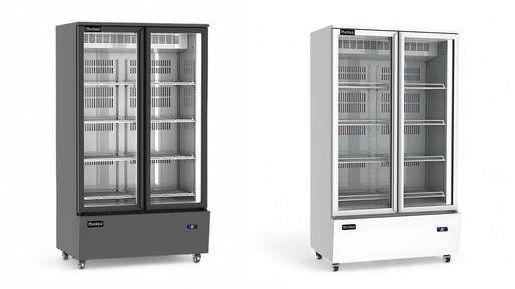
Not sure whether to buy new or second-hand commercial refrigeration? Robertson's Refrigeration in Geelong breaks down the pros, cons, and what to check before you buy.
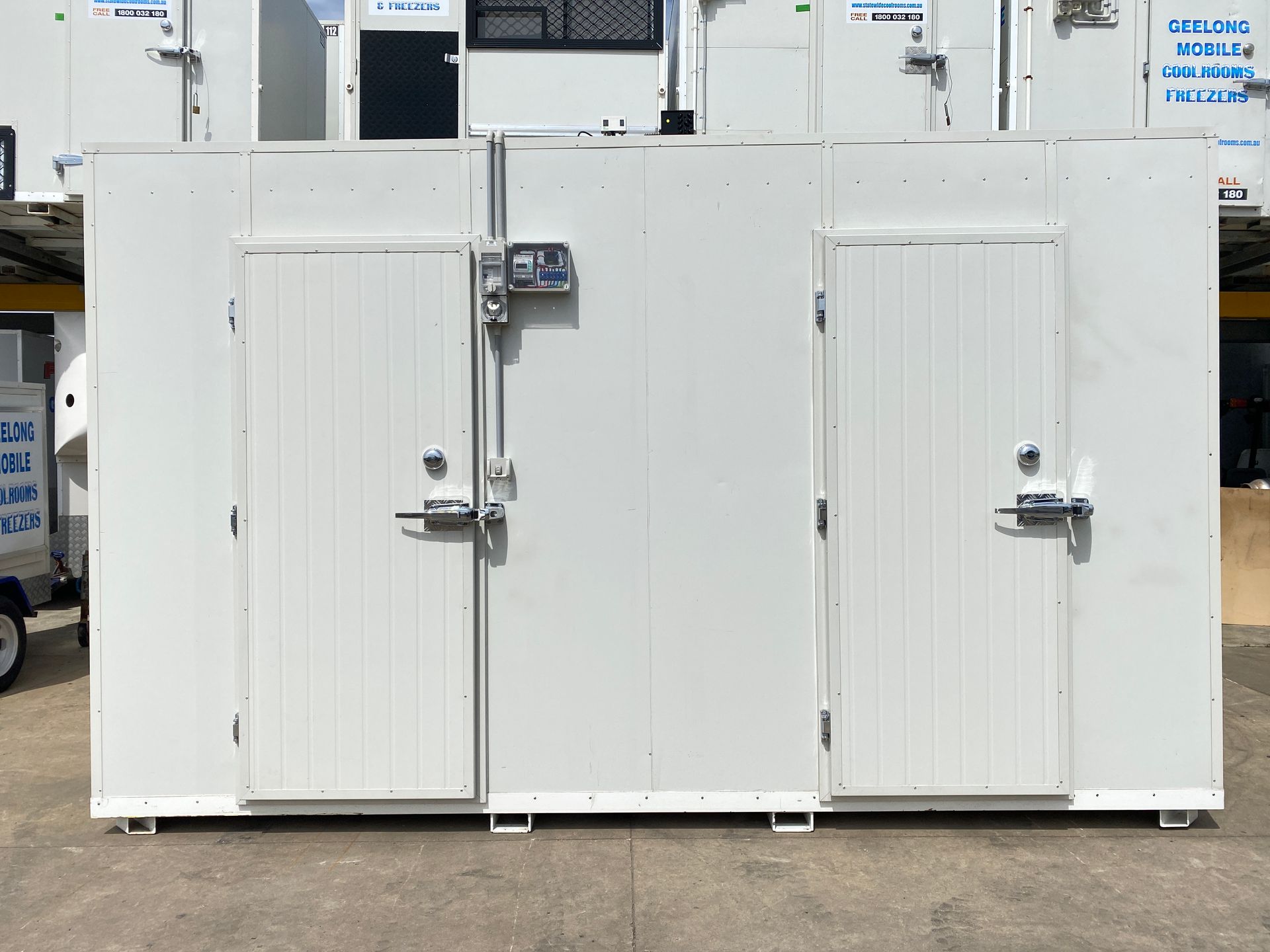
Find out how often your commercial coolroom should be serviced, what gets checked, and what happens when maintenance is skipped. Advice from Robertson's Refrigeration, Geelong.